
.svg)
.svg)
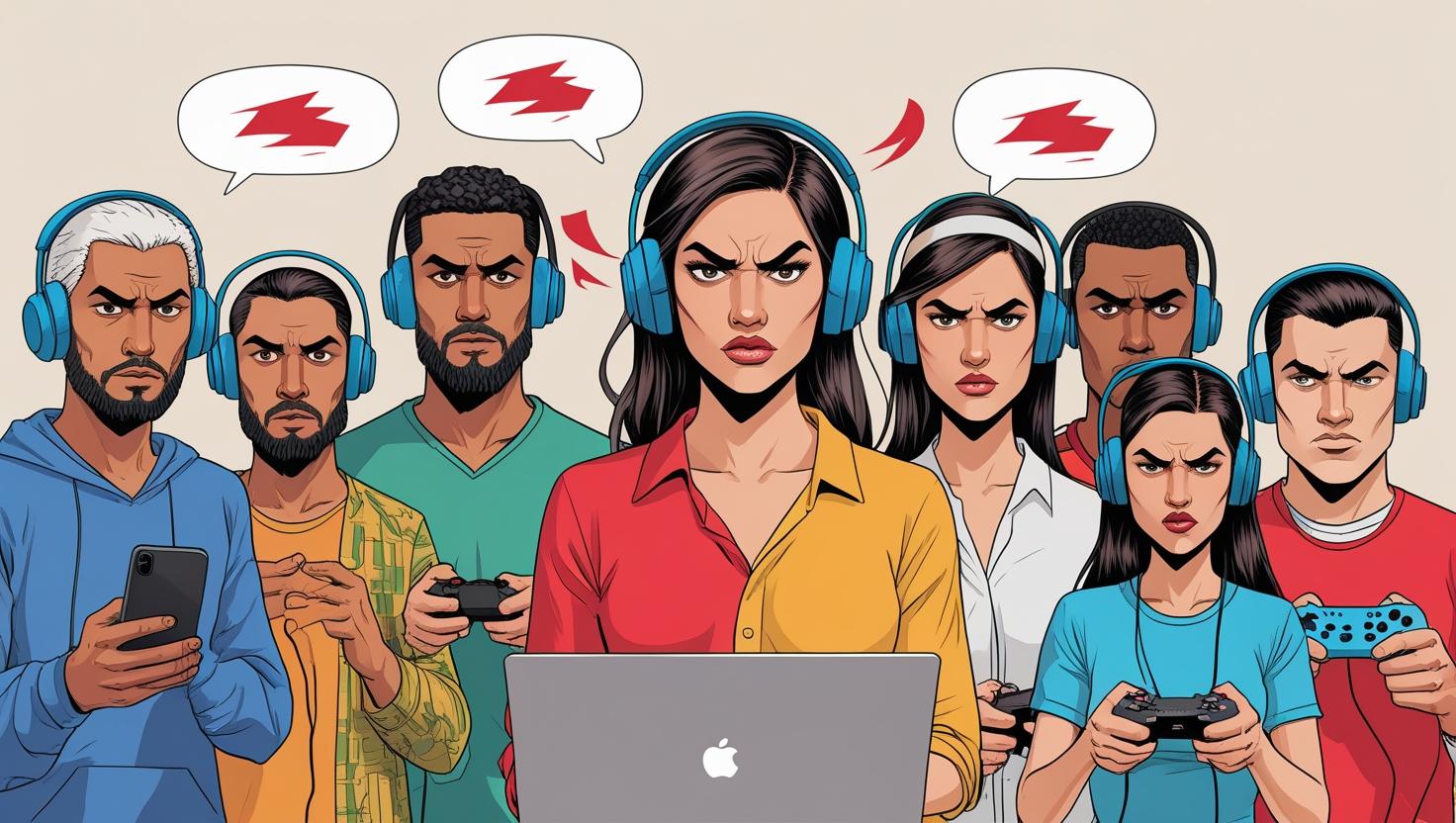
n the vast realms of gaming, where adventures unfold and friendships blossom, there lurks a darker side — toxicity. It permeates through chat rooms, voice communications, and even the very fabric of online interactions. As gamers, we often find ourselves navigating this complex landscape, filled with both camaraderie and conflict. But how did we arrive at this point, and what can we do to foster a more positive environment?
Toxicity in gaming can manifest in various forms: from hateful comments and harassment to unsportsmanlike behavior and gatekeeping. The anonymity of the internet often emboldens individuals to act in ways they might never consider in face-to-face interactions. This not only creates a hostile atmosphere for new players but also diminishes the enjoyment for seasoned gamers.
The consequences are profound. Studies show that toxic behavior can lead to increased stress and burnout, driving players away from games they once loved. Communities become fractured, and the sense of belonging that gaming once provided is eroded.
### The Roots of Toxic Behavior
To effectively combat toxicity, we must first understand its roots. Often, toxicity stems from a myriad of sources:
1. **Competition**: The drive to win can make players more aggressive, leading to frustration and negativity when things don’t go as planned.
2. **Anonymity**: Behind a screen, people may feel less accountable for their actions, leading to behavior they wouldn’t typically exhibit in real life.
3. **Cultural Norms**: In some gaming circles, toxic behavior is normalized or even celebrated, creating an environment where negativity thrives.
4. **Frustration with Developers**: Sometimes, players channel their frustrations over game mechanics or updates into hostility towards others in the community.
### Steps Toward a Healthier Community
While toxicity can feel like an insurmountable challenge, there are tangible steps we can take to create a more welcoming atmosphere:
1. **Lead by Example**: As individuals, we have the power to set standards within our communities. Encouraging positive communication and demonstrating good sportsmanship can influence others.
2. **Encourage Inclusivity**: Welcoming players of all skill levels, backgrounds, and identities not only enriches the community but also discourages toxic behaviors that stem from gatekeeping.
3. **Implement Robust Reporting Systems**: Game developers should prioritize creating and maintaining effective reporting systems to address toxic behavior swiftly and transparently.
4. **Support Mental Health Initiatives**: Promoting mental health awareness within gaming communities can help players manage stress and frustrations in healthier ways.
5. **Engage in Open Conversations**: Hosting discussions or forums about toxicity and its impact can spark awareness and encourage collective action toward positive change.
### The Role of Developers and Publishers
Game developers and publishers also play a crucial role in combating toxicity. It is their responsibility to create safe spaces for players and implement policies that actively address harassment and negativity. Regular updates, community engagement, and transparency can help foster trust and a sense of safety among players.
### Closing Thoughts
As we navigate our gaming journeys, it’s essential to remember the power of our words and actions. Each player contributes to the community’s culture, and together we can choose to uplift rather than tear down. By confronting toxicity head-on and striving for a more positive gaming environment, we can ensure that gaming remains an enjoyable and inclusive space for everyone.
Let’s level up our conversations and create a community that reflects the best of what gaming has to offer. Together, we can build bridges instead of barriers, creating an adventure where everyone is welcome to join in.
.svg)

At PlayerXP, we are dedicated to pushing boundaries. As leaders of the tech industry here in Cornwall, we use the latest Machine Learning technology and Cloud infrastructure to provide never-before-seen customer insights for organisations around the world. To ensure our products remain competitive and cutting-edge, we are constantly testing, iterating and innovating.
Get a firsthand look at Paws of Destruction, an incredibly fun mobile prototype built by tomorrow's game directors. See what our team thought of the pitch, read our Solutions Manager's take, and play the build right now.

PlayerXP puts its sentiment analysis approach to the test against Victoria Tran’s candid breakdown of the challenges facing community reporting. Instead of overpromising automation, it focuses on accurately capturing clear player feedback at scale while leaving nuance, sarcasm, and context to human expertise. The result is a practical, accessible tool designed to cut through noise and surface the insights that ac